This proposal is itself the demo: the spa concept and the resort page you just scrolled are working demonstrations — real pages you can use, not mockups — built in days of conversation on one design system. Nothing is public yet, and the current websites stay exactly as they are until the team says go. Here is how you would run the real thing day to day.
No CMS training, no tickets, no agency queue. The team messages the assistant the way you'd brief a colleague:
Live in under a minute, consistent everywhere it appears, with the old price archived in version history.
Landing section written in house voice, scheduled, subscriber email queued, tracked from day one.
Optimized, art-directed into the layout, deployed. The originals archived and named properly.
Everything you scrolled runs on a two-layer visual language — and we are open about how each layer is made:
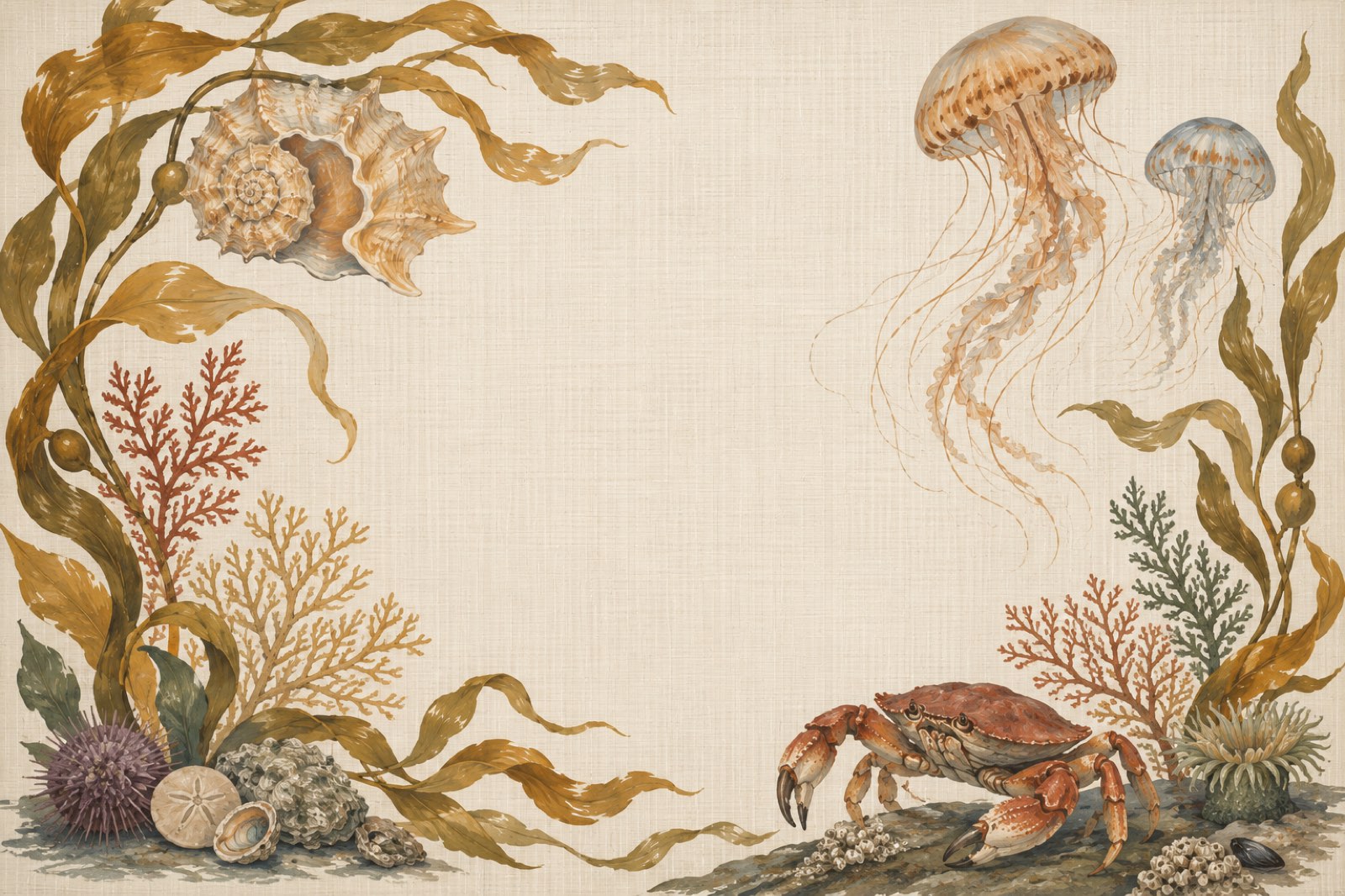
The mural artwork is generated with AI (we use ChatGPT) against a locked style guide — exact palette, grasscloth texture, one painter's hand across every plate. A full set of brand artwork for pennies, and a new plate for any campaign the same day it's briefed.
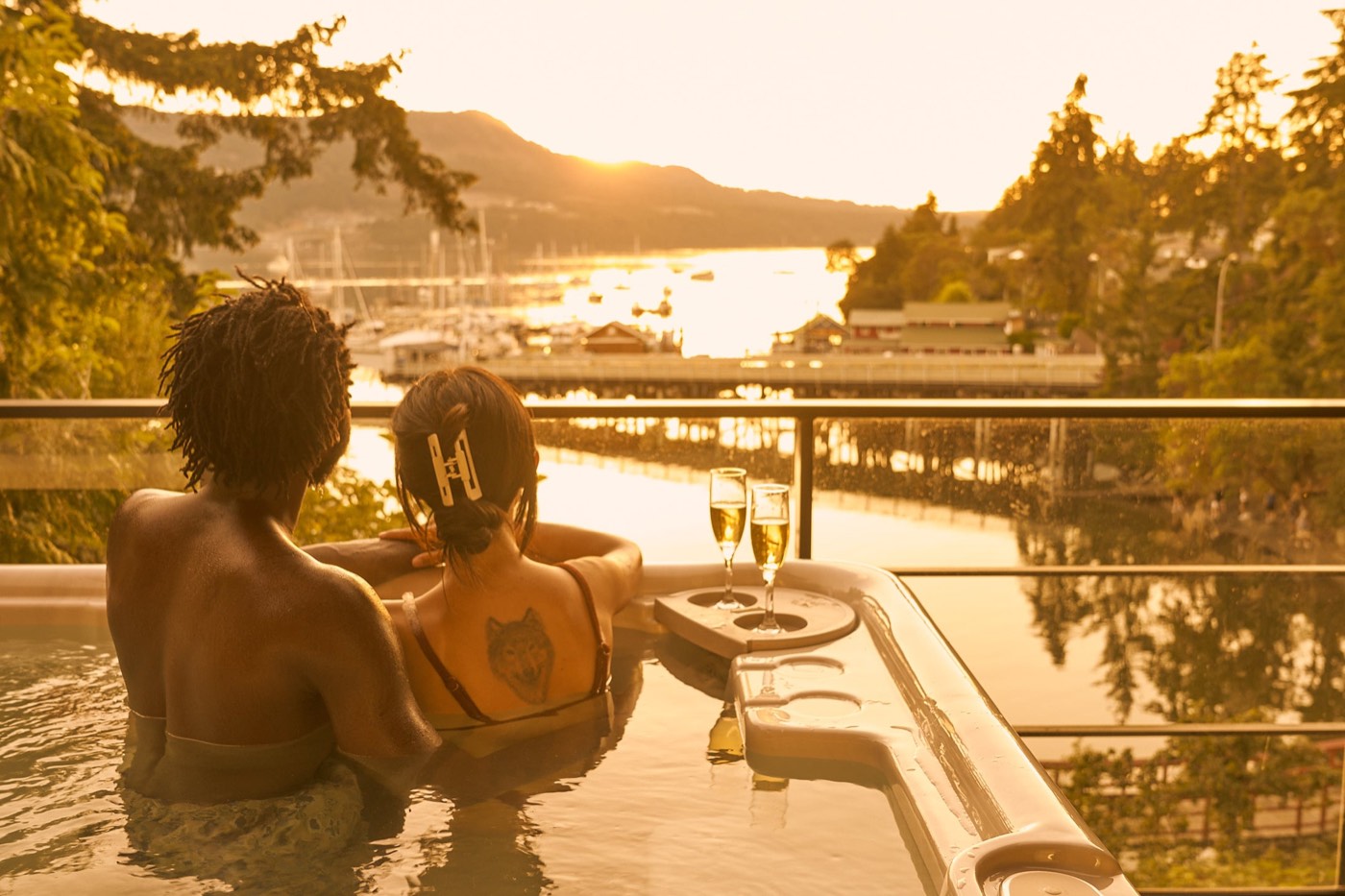
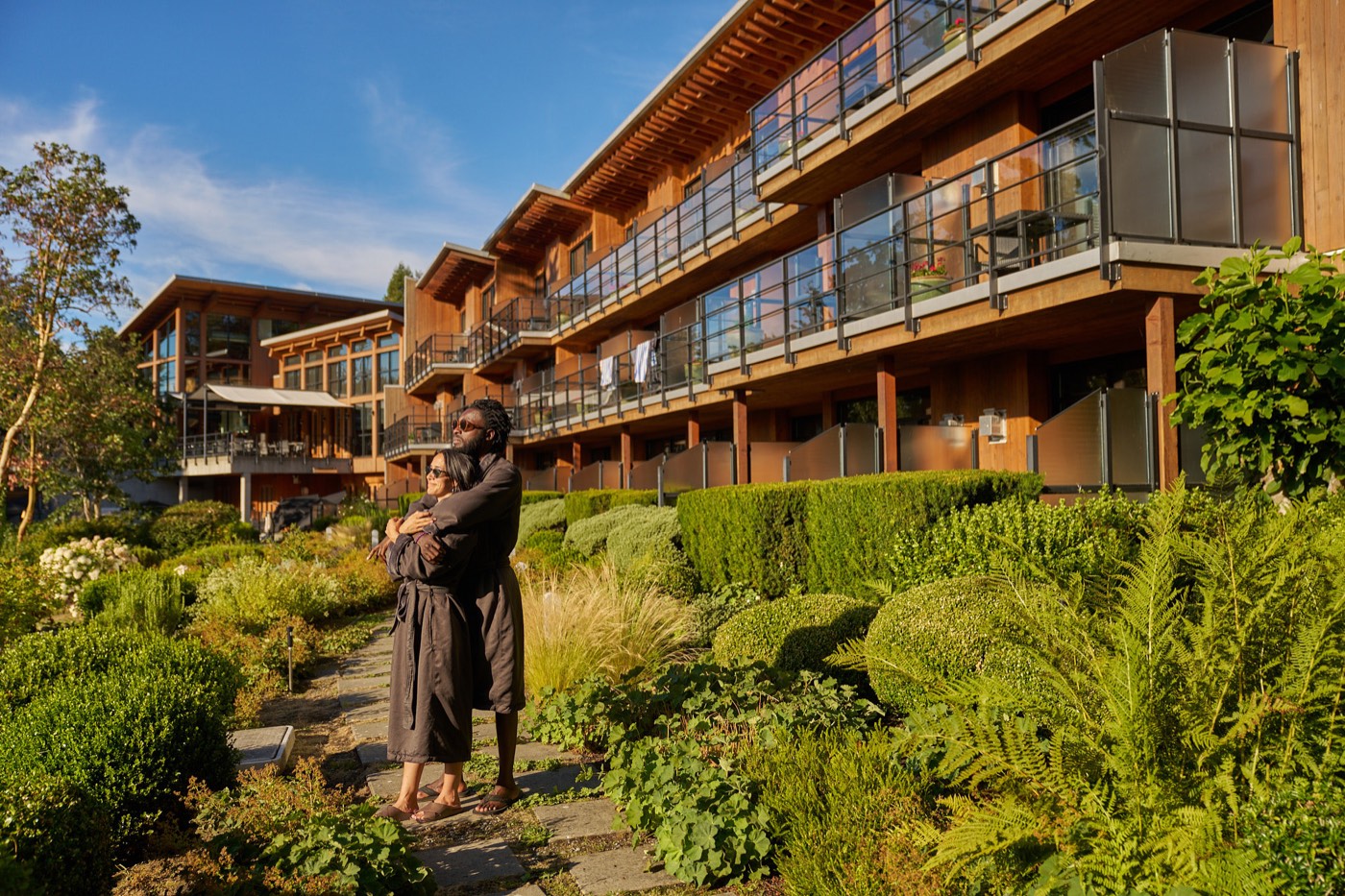
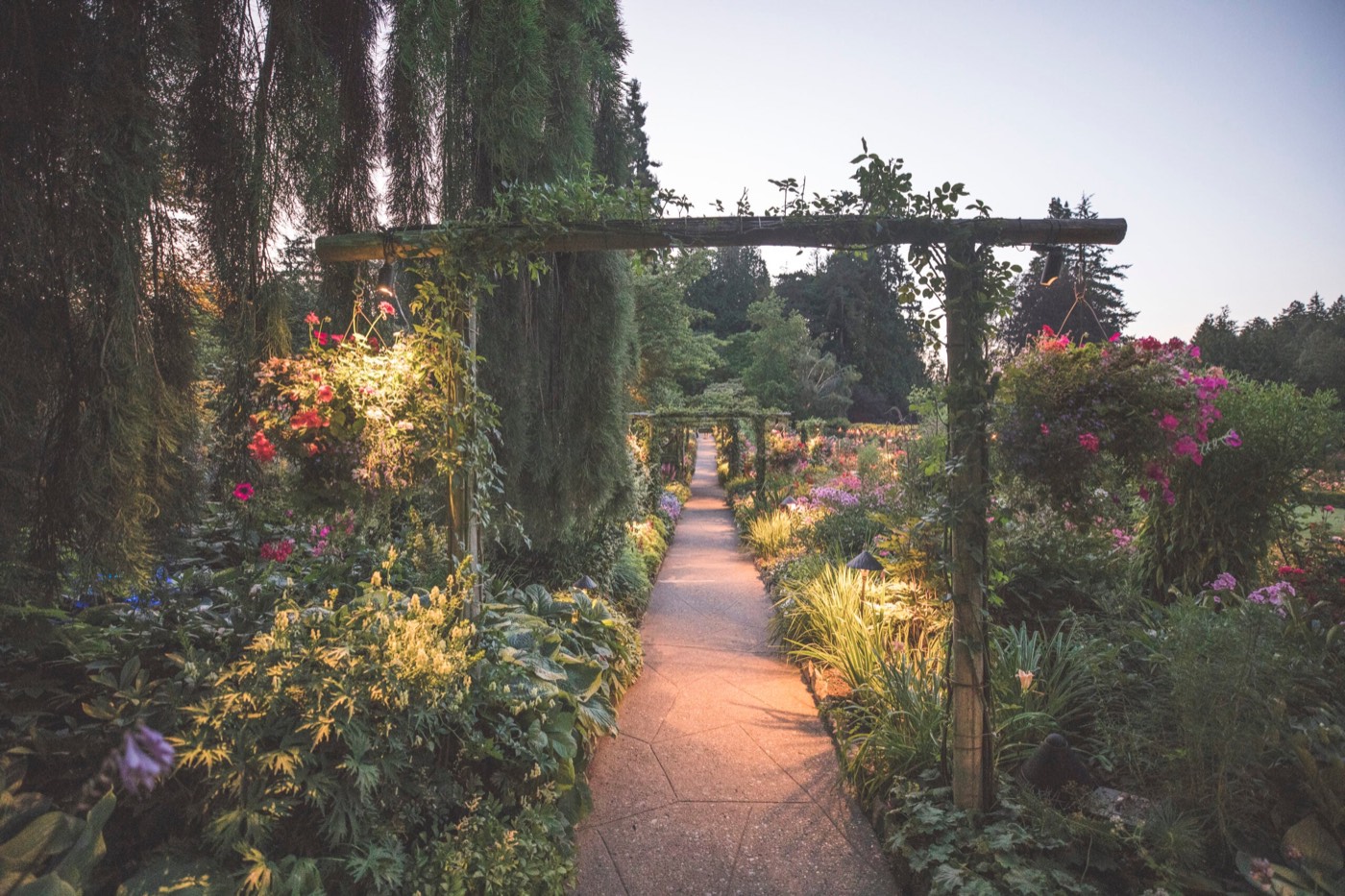
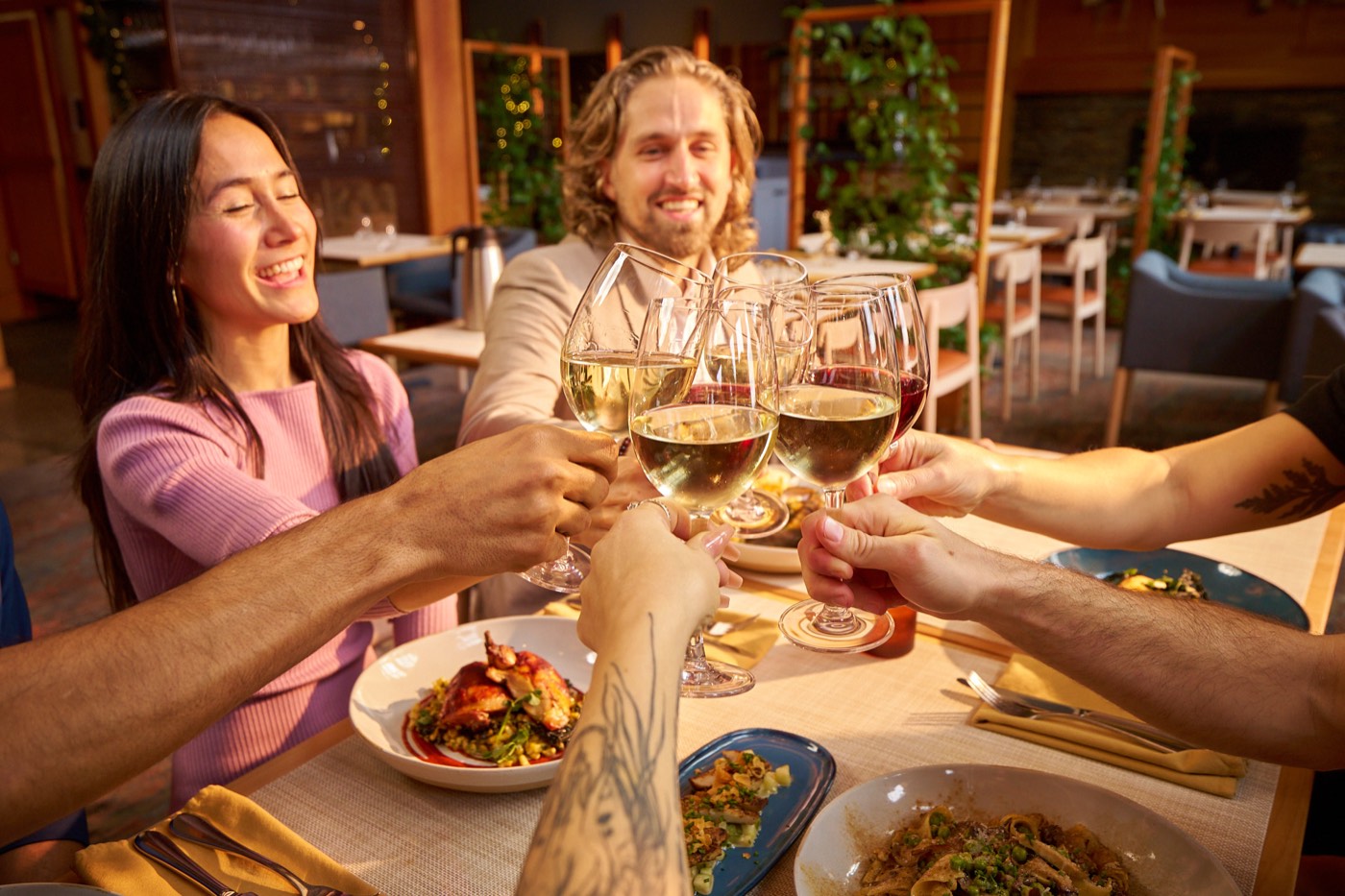
Guests book beds and dinners they can see. The rooms, the Arbutus plates, the pool deck at golden hour, and your people are always real photography — the trust layer no illustration should touch.
Painted plates carry brand moments, navigation scenes, and campaign art. Photography carries everything a guest will physically receive. The agent art-directs both into the layout — your photographers stay busy.


Not software your team logs into — a colleague your team messages. It watches the booking systems, runs the site, and never sleeps. A plausible Tuesday:
Every arrival, departure, and in-house guest — their whole stay across rooms, spa, dining, and marina, with one suggested kindness each. See a real one →
The member deal publishes to the site and the subscriber list — chosen from the offers your team pre-approved for the month.
The Arbutus Room changed two dishes in the POS last night. The site's menus already match — nobody had to remember.
"Autumn stays page, launch Thursday, these six photos, subscribers get 48 hours first." A staged draft is back for approval within the hour.
A guest's Google review mentions confusion about sauna bookings — the agent drafts the reply for approval and quietly clarifies the FAQ that caused it.
Rankings, page performance, deal conversion — logged toward the monthly plain-English report. Anything odd gets flagged to a human today, not at month-end.
No software to install, no VPN, no training course. Each team member signs in from any browser and talks to the assistant like a colleague. Photos get one shared folder — drop them in and they're optimized, named properly, and staged.
The assistant checks the library first — you may already own the shot. If not, it drafts the photographer's brief: angles, light, usage sizes. When photos land in the folder, they're on the site the same day.
Mailchimp stays the sender of record. The assistant writes campaigns in house voice, manages segments — subscribers, members, lapsed guests — schedules sends, and reports opens and bookings back in plain English.
Guest records stay where they're governed — Cloudbeds for stays, Vagaro for spa, OpenTable for dining, Mailchimp for subscribers. The assistant reads across them to assemble the picture; nothing sensitive gets copied into yet another system. That's the privacy-safe shape under BC's rules. See it working: the Morning Sheet →
Proper APIs. Reservations, guest profiles, spa bookings, campaigns — read and write, and the backbone of the loyalty phases.
Booking links and availability widgets immediately; deeper guest data sits behind their partner program — we apply when the project is real.
Starts with scheduled exports feeding the loyalty ledger; deeper hooks as their integration options allow. We would rather set that expectation now than surprise you later.
Rankings are earned monthly, not promised. What the assistant runs, continuously:
Speed scores search engines reward (this concept loads from a global CDN in under a second), clean structure, schema markup, flawless mobile. Most competitors fail this before content is even judged.
People don't search your menu — they search their life: "jaw tension massage Victoria", "Butchart Gardens by boat", "adults only resort Vancouver Island". Every one becomes a beautiful page in the house voice, published weekly, each ending at a booking.
Google Business profiles tuned per venue — spa, Arbutus, Lodge, marina — review velocity, photos, posts. This is where "#1 near me" is actually won. The site links to your reviews page, the post-stay email asks at the right moment, and the assistant drafts a reply to every review for your approval.
Every image carries a written description for Google (which is also what screen readers need), a proper filename, sizes that load fast, and an image sitemap. A search for "Brentwood Bay spa pool" should find your photograph, not a competitor's.
A monthly plain-English report: rankings moved, pages winning, bookings attributed. You'll never wonder what the SEO budget did — there isn't one; it's the same assistant.
The assistant writes the ad copy, tests variations, and removes the search terms that waste money — the weekly grooming most small campaigns never get.
Every ad is judged by the bookings it produced, matched against the booking systems. What doesn't convert gets paused the same week.
Paid search buys position while organic earns it. As the content and reviews compound, budget shifts down — the goal is needing fewer ads each season.
The current site's content ports over completely before anything switches:
Every page, image, menu, and PDF on the current site is crawled and preserved — the full content inventory, reviewed by your team before anything moves.
Same facts, same offerings, rewritten only where the house voice improves them — with your sign-off page by page.
Permanent redirects map each old URL to its new home — Google's existing trust in your pages transfers instead of resetting.
The new site runs at a preview address for as long as you like. The DNS flip takes minutes and can be flipped back the same day.
Static pages on a global CDN. WordPress assembles each page from a database on one server — typically 3–6 seconds. Google measures the difference, and so do guests on hotel wifi.
WordPress runs 40% of the web and is its most-attacked platform — every plugin a door. A static site has no database, no admin login, effectively no attack surface. Nothing to patch, ever.
No plugin conflicts, no theme updates, no "the site looks weird after the update" mornings. Version history means any change rolls back in one message.
The spa is already proving the mechanics on Vagaro. The resort version rolls out in phases, never breaking what works:
Points on treatments, 5× add-on bonuses, 500-point signup, the Daily Deal Alert. Live math on the site at the moment of booking.
Guests sign in, see their balance, rebook "their usual," manage deal cadence. Built on the booking systems you already run.
Dining, marina, and rooms feed the same balance — redeemable anywhere on property. One guest identity across the whole property.
The concierge starts taking real bookings when the desk closes — spa, tables, boats — through the same systems, handing anything unusual to a human in the morning. The guest deciding at 10 pm no longer slips away.
"Book the Butchart shuttle after our couples massage" — answered and booked, 24/7, in the house voice. Reads the same live data as the site.
The assistant executes; your team directs. Real photography and your people's real words are the only things it can't generate — and shouldn't.
Cloudflare's free tier serves these demo pages; for a business we recommend the paid posture: the Pro plan (firewall, image optimization, real support tickets), the compute tier the booking features need, and the managed image pipeline. Current WordPress hosting and maintenance bills go away.
One Claude Max subscription powers the assistant — content, SEO, reports, the lot. For scale: agencies quote $2,000–5,000/month retainers for a fraction of this scope.
The assistant needs one always-on home. A small cloud machine reaches every system you run except anything local-only; a Mac mini in the back office covers that too. Either way the websites live on Cloudflare independently — if the workshop ever fails, nothing guests see goes down, and a replacement restores from backups in an afternoon. Start cloud; add the box only if the POS demands it.
Everything you've scrolled today was built through conversation in days. The real build adds photography, your people's words, and booking-system integration — the plumbing pattern is already proven.